
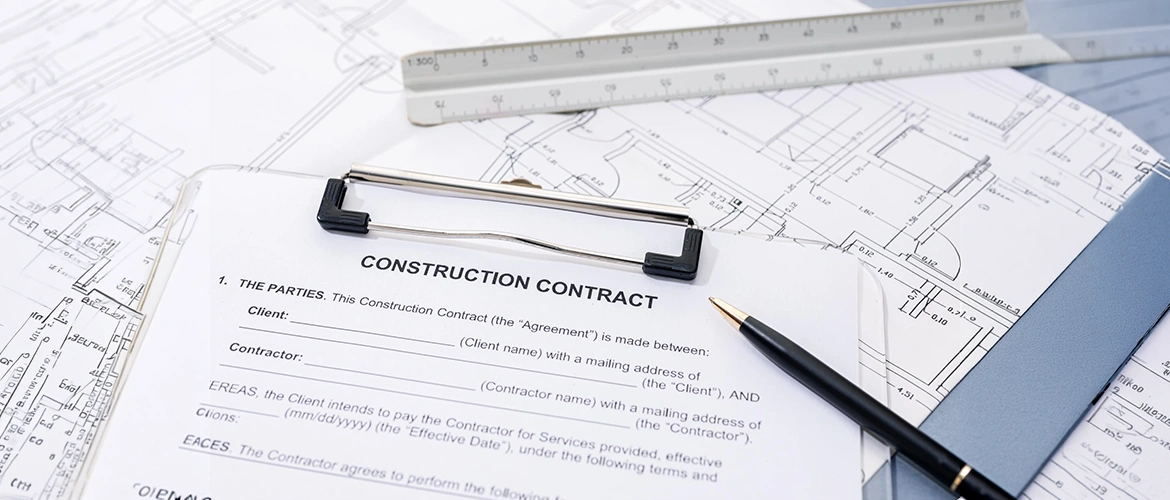
Engineering contracts in Saudi Arabia are considered one of the most important tools that ensure the regulation of relationships between all parties involved in a project, whether it is the owner, contractor, engineering company, or supervising consultant. An engineering project does not rely solely on design and execution; it requires a clear framework that defines obligations, responsibilities, scope of work, and delivery mechanisms to ensure the project is executed with high quality and according to a clear timeline and budget.
With the development of the construction sector in the Kingdom, contracts in engineering projects have become a necessary step to protect rights, reduce disputes, and achieve the best possible results in various types of residential, commercial, and investment projects.
Engineering contracts refer to formal agreements that regulate the relationship between parties in an engineering project, clarifying the nature of required work, the obligations of each party, cost, duration, quality standards, and the mechanism for supervision and delivery.
The importance of an engineering contract lies in transforming verbal agreements or general expectations into clear and binding clauses, which helps manage the project more professionally. With a clear contract, each party knows their rights and duties, reducing the likelihood of disputes during execution or after delivery.
Engineering contracts in Saudi Arabia also help control the workflow within the project, especially in projects that require more than one executive or supervisory entity, such as the contractor, engineering company, suppliers, and consultants.
Why Are Engineering Contracts a Fundamental Step Before Starting Execution?
Preparing an engineering contract before starting execution is not a mere formality; it is a fundamental step to protect the project from setbacks or misunderstandings. Without a clear contract, disputes may arise regarding material quality, execution duration, financial payments, or the limits of each party’s responsibility.
The contract helps define project details from the outset, such as the type of work required, technical specifications, timeline, payment mechanism, amendment conditions, and how to handle delays or execution errors.
Furthermore, the existence of organized construction contracts provides the owner with a clear vision of what will be executed and gives the contractor a defined framework for work without unagreed-upon interpretations. Therefore, engineering contracts are an important step to ensure a correct start for any engineering project.
Key Elements of a Successful Engineering Contract Between Owner and Contractor
For an engineering contract to be successful and effective, it must include a set of essential elements that ensure clarity in the relationship between the owner and the contractor.
First, clearly defining the parties’ data, then describing the project and the scope of work to be executed. It must also clarify technical specifications, type of materials used, execution schedule, contract value, and payment method.
Other important elements include defining each party’s responsibilities, conditions for amendment or addition, work approval mechanism, and final delivery method. It is also preferable for the contract to include clear clauses for dealing with delays, execution defects, or any disputes between the parties.
The more detailed and clear the contract, the greater the chances of project success and the lower the probability of disputes.
How Do Engineering Contracts Protect the Rights of Project Parties?
Engineering contracts protect the rights of all project parties because they document mutual obligations. The owner ensures that the contractor is committed to executing the work according to agreed-upon specifications, and the contractor ensures their right to receive financial payments according to completion stages.
Contracts also help define the mechanism for dealing with any changes that may occur during the project, such as design modifications, adding new works, or changing some materials. Without a clear contract, these changes could become a source of dispute between the parties.
On the other hand, engineering contracts provide a clear reference in case of any dispute, as the agreed-upon clauses can be referred to to determine responsibility and make the appropriate decision. Therefore, an engineering contract is not just an administrative document; it is an important legal and regulatory protection tool.
Role of Engineering Contracts in Defining Scope of Work and Responsibilities
One of the most important roles of contracts in engineering projects is to precisely define the scope of work. Some disputes arise due to a lack of clarity on whether a specific task falls within the contractor’s responsibility or requires an additional agreement.
An engineering contract helps clarify the works included in the project, the works not included, and the limits of each party’s responsibility. It also defines the role of the engineering or consulting company in supervision, follow-up, and approval of execution stages.
Defining the scope of work and responsibilities from the outset helps reduce randomness and makes project execution more organized. It also prevents any party from being burdened with responsibilities not previously agreed upon.
Relationship of Engineering Contracts to Execution Quality and Project Delivery
The quality of project execution is directly linked to the clarity of the engineering contract. When the contract includes the required technical specifications, quality standards, and inspection and acceptance mechanisms, it becomes easier to monitor the quality of work during execution.
Engineering contracts also help ensure project delivery on the agreed-upon schedule, as they define the timeline and completion stages. In case of delay, there are clear clauses outlining how to deal with it.
A good contract not only focuses on execution but also cares about the final delivery stage, work warranty, and addressing any observations or defects. Therefore, an engineering contract is one of the important tools that enhance project quality and protect the rights of both the owner and the contractor simultaneously.

Common Mistakes to Avoid When Preparing Engineering Contracts
Engineering contracts are a cornerstone for ensuring the rights of parties (owner, contractor, consultant) and avoiding legal and financial disputes. Based on [Recent], here are the most common mistakes to avoid when preparing engineering contracts:
1. Errors in Defining Contract Parties and Responsibilities
2. Technical Errors and Contract Documents
3. Financial and Temporal Errors
4. Drafting and Legal Clause Errors
Tips to Avoid These Errors:
Frequently Asked Questions About Engineering Contracts
What are engineering contracts? Engineering contracts are formal agreements that regulate the relationship between parties in an engineering project, such as the owner, contractor, consultant, and engineering firm. These contracts clarify the scope of work, responsibilities, cost, duration, technical specifications, and delivery mechanism.
What is the importance of contracts? The importance of contracts lies in protecting the rights of parties, organizing workflow, reducing disputes, and clarifying obligations from the project’s start. They also help ensure execution quality, adherence to the timeline, and clear definition of responsibilities.
What are Engineering, Procurement, and Construction (EPC) contracts? Engineering, Procurement, and Construction contracts, known as EPC, are a type of contract where the contractor is responsible for engineering design, procurement of materials, and execution of construction works. This type is often used in large projects requiring integrated management from a single entity.
Conclusion
Engineering contracts in Saudi Arabia are an essential element for the success of engineering projects because they regulate the relationship between the owner and the contractor, define the scope of work, protect rights, and help ensure execution and delivery quality. The clearer and more detailed the engineering contract, the more organized the project becomes and the less prone it is to disputes or delays.
Therefore, before starting any engineering project, attention must be given to preparing a clear contract through Arkitectonica Engineering that considers the project’s nature and precisely defines responsibilities and obligations to ensure project execution according to the highest degrees of professionalism and quality.